Posts

How Many AMPS Can 4mm Solar Cable Take?
Image
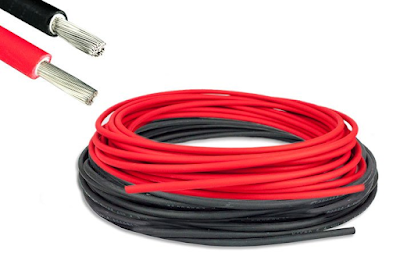
Solar Cable Introduction In the ever-evolving world of renewable energy, solar power stands out as a beacon of sustainability and innovation. As individuals and businesses increasingly turn to solar energy solutions, understanding the intricacies of solar system components becomes crucial. One such component is the solar cable , a vital link in the solar energy chain. Among the various specifications of solar cables, the question often arises: How many amps can a 4mm solar cable take? In this comprehensive guide, we delve into the factors influencing amp capacity, optimal usage scenarios, and strategies for maximizing solar efficiency. Understanding Solar Cable Basics: Before delving into the specifics of amp capacity, it's essential to grasp the fundamentals of solar cables. Solar cables, also known as photovoltaic (PV) cables, are designed to withstand the unique challenges of solar installations, including exposure to sunlight, extreme temperatures, and outdoor conditions. Thes...

Why And How To Choose Flame Retardant Wire?

Image
Introduction: In today's industrial and commercial landscape, safety is paramount. Whether you're operating a manufacturing plant, constructing a building, or designing electrical systems, fire safety is a critical consideration. Flame retardant wire play a crucial role in mitigating fire hazards, making them an essential component in various applications. In this comprehensive guide, we'll delve into the significance of flame retardant wire and provide valuable insights into how to choose the right ones for your specific needs. Understanding Flame Retardant Wires:  Flame retardant wire are specially designed to minimize the risk of fire in electrical installations by delaying the spread of flames. These wires are constructed using materials that are resistant to combustion and produce minimal smoke and toxic gases when exposed to fire. They are commonly used in industries where fire safety is of utmost importance, such as aerospace, automotive, construction, and electri...

What are the Challenges Involved in 33kV Jointing?

Image
33kV Jointing In the realm of electrical engineering, jointing plays a crucial role in ensuring the integrity and reliability of high-voltage power systems. In particular, 33kv cables jointing presents unique challenges due to the higher voltages involved and the critical nature of the infrastructure. In this comprehensive guide, we'll delve into the challenges involved in 33kV jointing and explore strategies for overcoming them effectively. From technical complexities to safety considerations, we'll address key issues faced by electrical engineers and jointing professionals in the field. Understanding 33kV Jointing: Before diving into the challenges, let's first establish what 33kV jointing entails. A 33kV joint is a connection point where two or more high voltage cables are joined together to ensure continuity of electrical supply. These joints are typically used in electrical installations such as substations, distribution networks, and industrial facilities to transmi...

How are Capillary Tubes Made?

Image
Capillary Tubes  Introduction: Capillary tube , slender conduits with a myriad of applications across various industries, embody a remarkable fusion of precision engineering and material science. These seemingly modest tubes play pivotal roles in diverse fields, from refrigeration and medical diagnostics to aerospace engineering and chromatography. Yet, despite their ubiquity, the manufacturing process behind capillary tube remains an enigma to many. In this comprehensive guide, we delve into the intricacies of capillary tube production, unraveling the meticulous steps involved in crafting these indispensable components. Understanding Capillary Tubes: Before delving into the manufacturing process, it's crucial to grasp the significance of capillary tube . These slender tubes, typically made from materials like glass or metal, boast extremely small diameters, often ranging from fractions of a millimeter to a few millimeters. This diminutive size is integral to their functionality,...

What is Copper Armored Cable Current Carrying Capacity?

Image
Copper Armored Cable Current Carrying Capacity Introduction:  Copper armored cable are the backbone of electrical installations, known for their robustness and reliability. These cables are extensively used in various industrial, commercial, and residential applications due to their superior electrical conductivity and mechanical strength. One crucial aspect of copper armored cable  is their current carrying capacity, which determines their efficiency and safety in carrying electrical loads. In this comprehensive guide, we will delve into the intricacies of copper armored cable  current carrying capacity, exploring its significance, factors influencing it, and methods for optimizing it. Understanding Current Carrying Capacity:  Current carrying capacity refers to the maximum amount of electric current that a cable can safely conduct without exceeding its temperature rating or causing damage. Exceeding the current carrying capacity can lead to overheating, insulation...

What is 4 0 Triplex Underground Wire?

Image
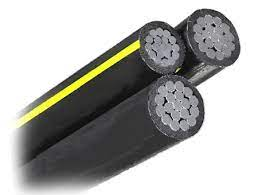
Triplex Underground Wire Introduction: In the world of electrical wiring, the 4/0 triplex underground wire stands out as a versatile and reliable option for a wide range of applications. Whether it's powering residential buildings, commercial properties, or industrial facilities, the 4/0 triplex underground wire offers a robust solution for delivering electricity safely and efficiently. In this comprehensive guide, we'll delve into the uses, benefits, and specifications of the 4/0 triplex wires , exploring its applications in various sectors and highlighting its importance in modern electrical systems. Understanding the 4/0 Triplex Underground Wire: The 4/0 triplex underground wire is a type of electrical cable that consists of three insulated conductors twisted together. Each conductor is made of stranded copper wire, which provides excellent conductivity and flexibility. The insulation material used in the 4/0 triplex underground wire is typically cross-linked polyethylene (X...

What is 3 Core 16mm Armoured Cable Construction?

Image
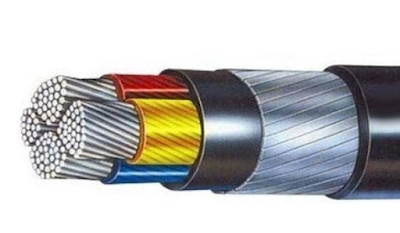
Armoured Cable Construction The construction of a 3 core 16mm armoured cable involves several components carefully engineered to ensure reliable power transmission and distribution. Here's a detailed breakdown of each component: 1. Conductor: - The conductor is the core component responsible for carrying electrical current. It is typically made of either copper or aluminum, both known for their excellent conductivity properties. - Copper conductors offer higher conductivity and resistance to corrosion, making them suitable for various applications. Aluminum conductors are lighter and more cost-effective, making them preferred for long-distance power transmission. 2. Cross-Section: - The cross-section of the conductor refers to the area of the conductor's cross-sectional surface. In the case of a 3 core 16mm armoured cable , the cross-section of each conductor is 16mm². - The 16mm² cross-section allows for sufficient current-carrying capacity while maintaining flexibility and e...